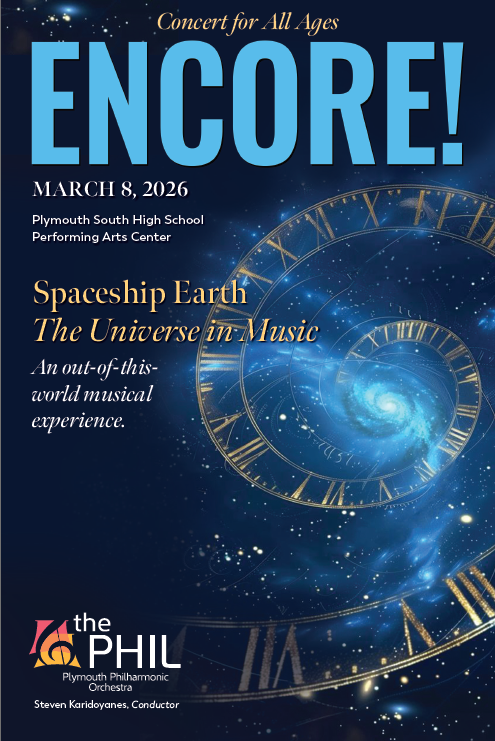
1. What does a side-by-side look and sound like? What can the audience expect?
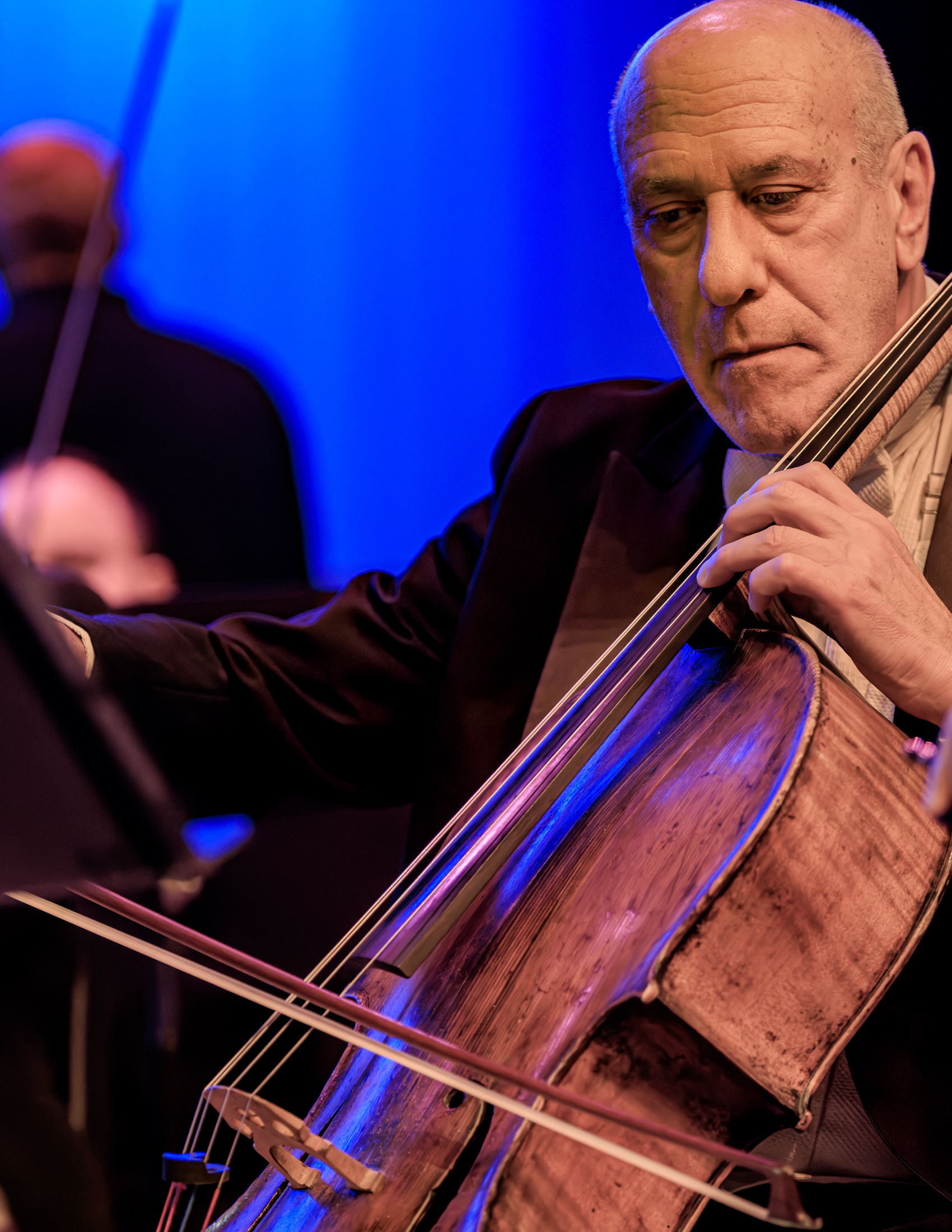
Side-by-side performances bring student musicians and professional orchestra members together on the same stage—sharing music stands, rehearsals, and the performance itself. The audience hears a full symphonic sound while witnessing mentorship, collaboration, and learning unfold in real time.
2. What excites you most about that side-by-side moment—both musically and humanly?
The end product is incredibly exciting. For some aspiring musicians, you can see it on their faces—this is their “yes” moment. It’s that realization: This is what I want to pursue.
They’re committing to something big—challenging repertoire, high expectations, real artistic responsibility. That kind of confirmation doesn’t happen often. Having the chance to truly do the thing can be life-changing.
3. Can you tell us a little about the rehearsal process, and what audiences might be surprised by?
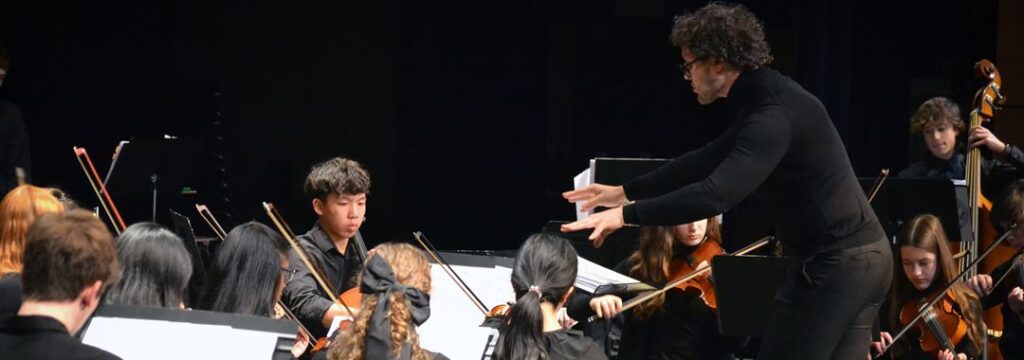
Conductor Steven Karidoyanes works directly with the students, who come from all over and from many different walks of life—public school students, homeschoolers, students of all backgrounds. Steven and I begin planning nearly a year in advance, choosing repertoire that is both accessible and challenging—music that broadens horizons, sparks curiosity, and stretches everyone artistically.
Students get to experience the entire professional rehearsal process. They see what it looks like when a professional orchestra prepares, how musicians communicate, and how ideas are refined in real time. The members of the Phil are incredibly supportive and generous mentors. Their priorities are in the right place.
When adults take an active interest in mentorship, the impact reaches far beyond music—graduation rates increase, confidence grows, and students develop socially and emotionally. This experience helps set them up for long-term success.
4. You’ve described an orchestra as a place where people come together to have a collective voice. How does that idea come alive in this setting?
Through rehearsals, students gain confidence and preparation in smaller settings before stepping into a professional environment. They learn how to connect, ask questions, break things down, and contribute thoughtfully. They’re not just playing notes—they’re learning how to participate in a shared artistic voice.
5. Many audience members may be attending a side-by-side concert for the first time. What do you hope they notice—or feel—watching students and professionals make music together?
First, I want to thank the audience. Plymouth and the surrounding communities truly support their youth, and that culture matters.
I’d encourage audiences to watch the students’ faces. You may see nerves at first—but by the end, you’ll see pride and accomplishment. Hearing the applause, realizing their town is cheering for them, is incredibly powerful. They see the results of their hard work, and they know their community has their back.
6. Your work often centers on inclusion, vulnerability, and trust. How do those values shape how you prepare students for this performance?
Students come with different abilities, ages, and needs, and our goal is to create the most inclusive environment possible—one that supports students with disabilities and encourages everyone to grow. That means being thoughtful about repertoire, but also being willing to push and challenge students in meaningful ways.
Sometimes that requires rearranging parts or making adjustments. It’s about going the extra mile—that little bit of extra elbow grease. This is child development as much as it is music education. Students learn to advocate for themselves, to ask questions, to communicate, and to not fear mistakes. That shared vulnerability is what truly binds them together.
7. What does it mean to you to stand on the podium knowing this performance may be a defining moment in a student’s musical journey?
Pride—pure pride. I always tell students to keep this experience in their back pocket. Carry it with you.
Being part of even one small piece of their life’s puzzle is incredibly meaningful. It makes you want to get up in the morning. There’s hard work, yes—but also joy, laughter, seriousness, and vulnerability. When students are taken out of their comfort zones in a safe space, that’s when real confidence is built.
8. For young musicians watching from the audience, what do you hope this concert shows them about what’s possible—in music and beyond?
I hope they see it and think, Maybe I can do that too. Seeing someone who looks like them on stage matters—it opens doors and expands possibilities.
And even if you’re just beginning, there are resources and people ready to help. Visiting https://sscmusic.org/ and reaching out can lead to group lessons, summer intensives, or simply guidance on how to start. Music is accessible, and we’re here to help make a plan.
9. If someone is on the fence about attending Spaceship Earth, what would you tell them they’ll experience that can’t be captured anywhere else?
Come support these students. Simply showing up matters more than you might realize. Your presence helps create positive change.
All you have to do is be there—and applaud.
To learn more about Elijah Langille, his work, and his mission in music education and conducting, visit:
www.elijahlangille.com